
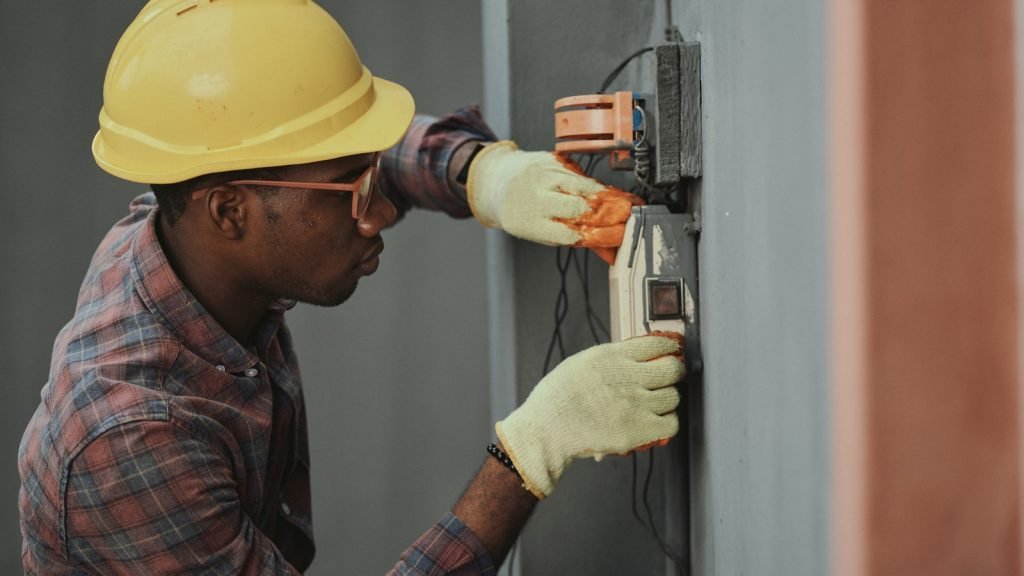
Most HVAC and roofing jobs start with a local search: “AC repair near me,” “roof leak emergency,” “furnace install [city].” Ranking in the Map Pack is how homeowners decide who gets the call.
This local SEO checklist for HVAC and roofing companies is a practical sequence — Google Business Profile, service pages, citations, reviews, and website fixes — not a theory dump. Use it alongside the broader local SEO checklist for service businesses and HVAC website design patterns that make Maps traffic convert.
Why HVAC and roofing local SEO is different
HVAC local SEO and roofing search are high-intent and often urgent. Customers compare a few nearby options on a phone. Google rewards businesses that prove they serve a real area, answer the query clearly, and earn trust through reviews and consistency.
Contractors who ignore local SEO usually lose to competitors with weaker crews but stronger profiles and cleaner sites. The gap is fixable if you work the system in order.
1. Google Business Profile first
Your Google Business Profile (GBP) is the hub of Maps visibility. Incomplete profiles rarely win the pack.
Claim, verify, and lock categories
Claim every location you actually operate from and verify it. Set the primary category precisely — HVAC contractor, air conditioning repair, roofing contractor, roof repair — and add secondary categories that match real work. Skip unrelated stuffing.
Complete fields that influence clicks
- Service area: Cities and ZIPs you truly cover — not a radius you cannot serve
- Services: Each billable service with short, plain descriptions
- Hours: Accurate, including emergency availability when it is real
- Attributes: Licensed, online estimates, emergency service — only what is true
- Photos: Job photos regularly: before/after roofs, installs, trucks, crew on site
Posts, Q&A, and messaging
Use posts for seasonal offers (tune-ups, pre-storm inspections) and link to the matching service page. Seed Q&A with real homeowner questions. Turn on messaging only if someone replies during business hours.
How the profile and site should align is covered in Google Business Profile and website local SEO.
2. Maps ranking for contractors: relevance and prominence
Maps rankings weigh relevance, distance, and prominence. You control relevance and prominence more than distance.
Relevance comes from categories, services, and on-site content that match the query. If someone searches “heat pump install,” your GBP services list and a dedicated heat pump page should both speak to that job.
Prominence comes from reviews, citation consistency, brand searches, and a solid website. Distance is geography — accurate service areas still matter so Google knows where you belong.
Practical habits:
- One primary NAP (name, address, phone) everywhere; no fake storefronts
- GBP website URL points to a fast, mobile-friendly homepage or location page
- Respond to every review within a few days
- Watch GBP insights and improve matching service pages
If Maps clicks land on a slow or confusing site, you still lose the job. Pair local SEO with SEO services when you need ongoing Maps and on-page support.
3. Service pages that match how people search
Homepage-only sites stall. HVAC and roofing companies need dedicated pages for jobs people search: AC repair, furnace repair, heat pump install, roof replacement, leak repair, storm damage, and similar.
Strong service pages include:
- An H1 that matches the search (“AC Repair in [City]” beats vague slogans)
- Above-the-fold phone and a short callback form
- What the service includes and when to call
- Licensing, insurance, warranties, and brands you install or repair
- Local proof: cities served, project photos, short case notes
- FAQ blocks for real objections (response time, financing, inspections)
Do not copy-paste the same paragraph across ten city pages. Thin duplicates can hurt more than they help. Write unique process and proof; expand only where you have capacity. For copy structure, use service page content for home services.
4. Citations and NAP consistency
Citations are mentions of your name, address, and phone on other sites. Consistency tells Google the business is real.
Start with high-impact sources: Google, Apple Maps, Bing Places, Yelp, major home-service directories you actually use, BBB, and state contractor license listings. Add chambers and industry directories next. Audit quarterly for identical name, street format, and phone.
If you rebranded or changed numbers, update major directories first. Broken NAP trails often create competing Maps listings.
5. Reviews that support Maps and clicks
Reviews influence rankings and click-through. Build a simple post-job process: confirm satisfaction, send a Google review link the same day, ask for specifics (equipment, response time), and reply to every review. Never buy fake reviews.
Over time, review language like “installed my furnace” or “fixed a leaking roof” reinforces service relevance for Maps ranking for contractors.
6. Website fixes that support local rankings
Local SEO fails when the website cannot support the profile. Fix these on every HVAC and roofing site:
- Mobile speed: Compress images, cut heavy sliders; techs get calls from phones in parking lots
- Click-to-call: Sticky phone on mobile; visible on every service page
- Local schema: Accurate name, phone, address or service area, hours, sameAs to GBP
- Internal links: Homepage → core services → related services; seasonal posts link to money pages
- Titles and metas: Service + city where natural; write for clicks, not stuffing
- HTTPS and working forms: Broken forms waste Maps traffic
For layout and proof that turn local traffic into leads, see service business website design for leads and industry patterns on HVAC website design.
The checklist at a glance
- GBP claimed, verified, correct categories, services, hours, and service area
- Regular photos and seasonal posts tied to real offers
- Dedicated service pages for top HVAC and roofing jobs
- NAP identical on site, GBP, and major directories
- Review request process after every completed job
- Fast mobile site with click-to-call and working forms
- Local schema plus Search Console and GBP insights checked monthly
- Internal links from content to money pages
Work the list in order: profile first, then pages, then citations and reviews, then technical cleanup. Blogging alone while Maps and NAP are broken wastes budget.
FAQ
How long does local SEO take for HVAC or roofing?
Most contractors see meaningful Maps and organic movement within a few months if the profile, reviews, and service pages are fixed consistently. Competitive metros take longer. Emergency and high-intent pages often move faster than broad brand terms.
Do I need a physical office to rank on Google Maps?
Not always. Service-area businesses can rank without a public storefront if they follow Google’s guidelines and avoid fake addresses. Accuracy matters more than inventing a lobby you do not have.
How many service pages should we have?
Start with every service that generates revenue and search demand — often a focused set of core pages — then add city pages only where you can write unique proof and actually serve the area. Depth beats a hundred thin duplicates.
Are citations still important?
Yes for consistency and discovery on major platforms. They are not a substitute for reviews and a strong website. Clean the big directories first; low-quality directory spam is not the strategy.
Should I run Google Ads while building local SEO?
Ads can fill the pipeline while organic gains compound, especially in peak AC or storm seasons. Keep landing pages aligned with ad keywords and the same NAP and offers you use organically.
What is the biggest mistake on a roofing company SEO checklist?
Leaving GBP half-finished and relying on a brochure homepage. Buying reviews or stuffing categories is close behind. Rebuilding the site without redirects and losing page equity is the expensive third mistake.
Ready to tighten HVAC and roofing local SEO?
WebSolNet helps US contractors pair HVAC website design with SEO services that support Maps and service pages. See pricing or contact us for a prioritized audit. Owner-operated remote US studio — call (850) 610-7214 if you want a straight fix order.
